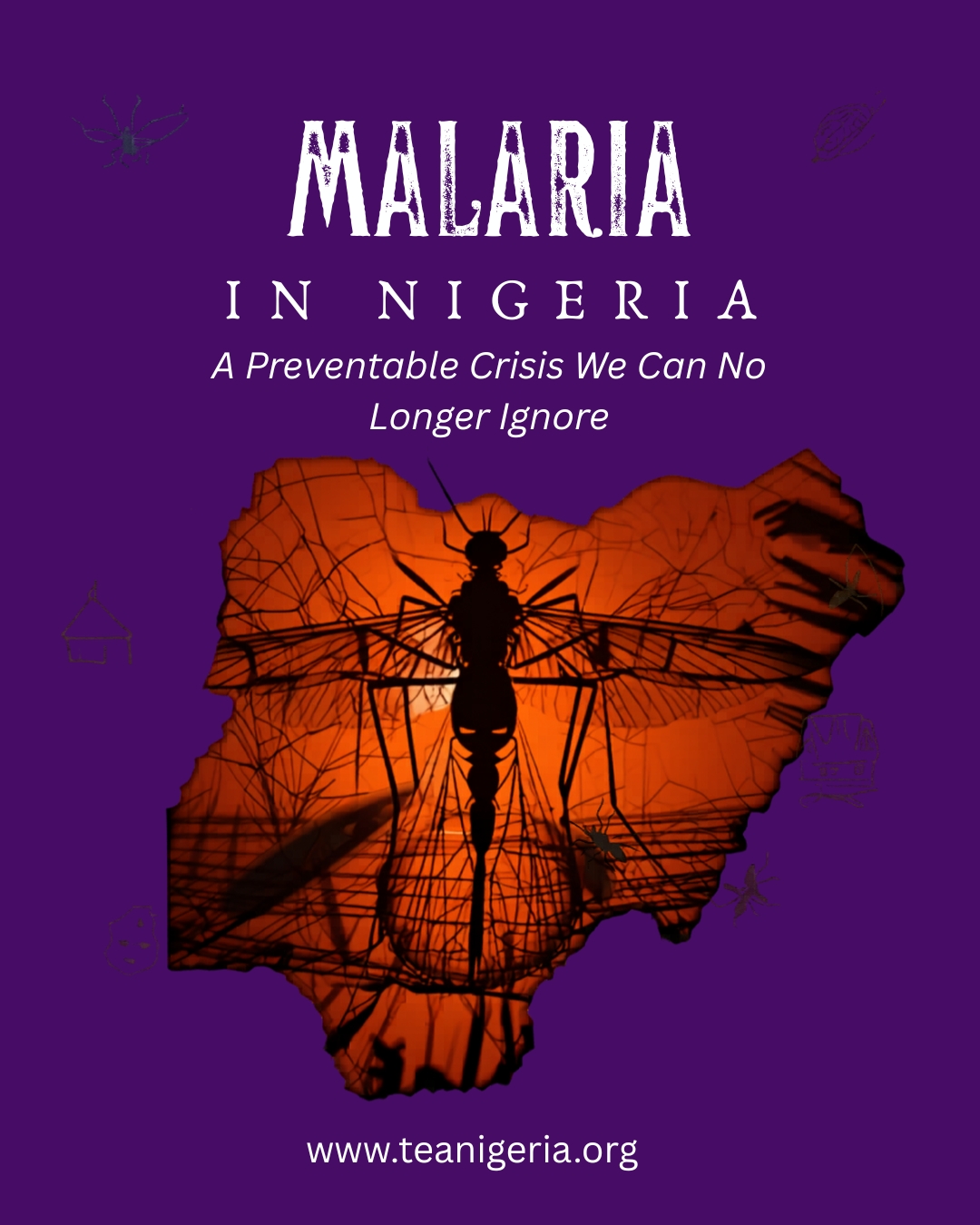
Malaria is one of the most familiar illnesses in Nigeria, yet it remains one of the most dangerous. It shows up as a simple fever, something many people brush off or treat casually, but behind that familiarity lies a disease that continues to take hundreds of thousands of lives every year. In 2023 alone, Nigeria recorded an estimated 184,000 malaria deaths, the highest in the world, while also carrying over 68 million cases annually. This means that nearly one in every three malaria deaths globally happens in Nigeria. The truth is uncomfortable but clear. Malaria is not winning because it is unstoppable. It is winning because access, awareness, and consistent action are still uneven.
At its core, malaria is caused by parasites transmitted through the bite of infected female Anopheles mosquitoes. The symptoms often begin quietly with fever, headache, chills, and weakness. Because these signs feel so common, they are often ignored or mistaken for something less serious. But malaria can turn quickly. What starts as a mild illness can become severe within days if not properly treated. This is where many lives are lost, in the dangerous gap between recognizing symptoms and taking the right action.
Nigeria’s burden is part of a larger regional reality. Across Africa, malaria remains overwhelming, accounting for about 95 percent of global malaria deaths, with hundreds of millions of cases reported each year. Children under five are the most affected, carrying the highest risk of severe illness and death. These numbers are not just statistics. They represent families disrupted, incomes lost, and futures altered.
In many communities, malaria has become normalized. People expect it, plan around it, and sometimes accept it as a routine part of life. This quiet acceptance is one of the biggest reasons the disease persists. When something feels ordinary, the urgency to prevent or treat it properly begins to fade.
The environment plays a powerful role. Stagnant water, poor drainage, and inadequate waste systems create ideal breeding grounds for mosquitoes. During the rainy season, these conditions intensify, increasing exposure and infection rates. In densely populated or underserved areas, controlling these environmental risks is difficult, allowing transmission to continue almost unchecked.
But malaria is not just about mosquitoes. It is also about access. Many families cannot afford proper diagnosis or effective treatment, leading to delayed care or reliance on cheaper, less effective options. Self medication is common, and when drugs are misused, it not only fails to cure the illness but also contributes to growing drug resistance. This makes malaria harder to treat over time, turning a manageable disease into a more complex threat.
Prevention tools exist and they work. Mosquito nets, for example, remain one of the most effective ways to reduce malaria transmission. Yet their impact depends on consistent use. Heat, discomfort, and misinformation often discourage people from sleeping under them regularly. The same applies to environmental hygiene. Clearing stagnant water and maintaining clean surroundings are simple but powerful actions, yet they are not always practiced consistently. The gap between what people know and what they do is where malaria continues to thrive.
Misconceptions also play a role. In some communities, malaria is still linked to causes that have nothing to do with mosquito bites. Others underestimate how serious it can become. These beliefs delay treatment and increase the risk of severe complications that could have been prevented.
Beyond health, malaria places a heavy burden on everyday life. It reduces productivity, as people miss work or struggle to function while ill. It disrupts education, especially for children who miss school repeatedly. It drains household income through treatment costs and lost wages. At a national level, this translates into billions lost in economic productivity each year, slowing development and reinforcing cycles of poverty.
And yet, despite all of this, malaria is not unbeatable. We already know what works. Early testing, prompt and effective treatment, consistent use of mosquito nets, and cleaner environments can significantly reduce transmission. The real challenge is not a lack of solutions, but making those solutions work for everyone, every day.
Malaria is also a question of equity. Not everyone faces the same level of risk or has the same access to care. Some communities are more exposed, more vulnerable, and less likely to receive timely treatment. When these gaps exist, malaria continues to circulate and affect entire populations.
The path forward is clear but requires intention. Prevention must become part of daily life, not an occasional effort. Treatment must be accessible without financial or social barriers. Awareness must move beyond knowledge into action.
Malaria has remained for so long not because it cannot be stopped, but because the fight against it has not reached everyone equally. The moment we begin to close these gaps is the moment we begin to change the story.
Because when people are informed, protected, and supported, malaria loses its power. And when access becomes universal, it stops being a constant threat and becomes what it should have been all along, a disease we know how to control and one we are ready to leave behind.